





GLP-1 medications like semaglutide (Wegovy, Ozempic) and tirzepatide (Zepbound, Mounjaro) have helped millions of people lose a meaningful amount of weight. But sooner or later, many people ask the same question: what happens when I stop?
The honest answer is that most people regain a large share of the weight when the medication ends, unless something else takes over the job the medication was doing. The good news is that research also points to what that “something else” looks like. In this guide, we walk through what the studies show, why weight tends to come back, and the specific habits that give you the best chance of keeping your results.
Important: This article is for education only. Never stop, start or change a prescription medication without talking with the healthcare provider who prescribed it.
What Happens to Your Weight When You Stop GLP-1 Medications?
Several large clinical trials have followed people after they stopped their medication, and the pattern is consistent.
- Semaglutide: In the STEP 1 trial extension, adults lost an average of 17.3% of their body weight over 68 weeks. One year after stopping, they had regained about two-thirds of that loss, leaving a net loss of about 5.6%. Improvements in blood pressure, blood sugar and other heart health markers also moved back toward where they started.
- Tirzepatide: In the SURMOUNT-4 trial, participants lost about 20.9% of their body weight in the first 36 weeks. People who were then switched to a placebo regained 14% of their body weight over the following year, while people who stayed on the medication kept losing.
- Across many studies: A 2026 analysis in The BMJ pooled 37 studies with more than 9,000 participants. On average, people regained about 0.4 kg (just under 1 pound) per month after stopping weight loss medication, and weight was projected to return to its starting point in about 1.7 years. Weight also came back faster than it did after behavioral weight loss programs.
These are averages, not a prediction for you. Some people in every study kept much of their weight off. The question is what those people did differently.
Why Does Weight Come Back After Stopping a GLP-1?
GLP-1 medications work largely by changing appetite. They help you feel full sooner, stay full longer and think about food less. When the medication leaves your system, those signals return, often quickly. Several other factors stack on top of that.
- Your hunger comes back. Many people describe the return of “food noise” within weeks of their last dose. If your eating habits relied on the medication to keep portions small, intake tends to creep back up.
- Your body defends its old weight. After any significant weight loss, your body burns somewhat fewer calories and produces more hunger hormones. This is a normal biological response, not a lack of willpower.
- You may have lost muscle. Rapid weight loss usually includes some lean mass, especially without strength training and enough protein. Less muscle can mean a lower daily calorie burn and less strength for staying active.
- The habits were never built. If the medication did most of the heavy lifting, the routines that hold weight steady (planned meals, regular training, consistent sleep) may not be in place yet when it stops.
Can You Keep the Weight Off Without the Medication?
Yes, many people can keep a large share of it off, and exercise appears to be one of the strongest tools.
A 2024 University of Copenhagen study in eClinicalMedicine followed adults for a year after they finished a weight maintenance program. People who had used the GLP-1 medication liraglutide alone regained about 6 kg (13 pounds). People who had combined the medication with a supervised exercise program regained about 2.5 kg (5.5 pounds), and the exercise groups were more likely to keep at least 10% of their weight off.
The takeaway is simple: the medication can get you to a new weight, but your habits are what keep you there. The best time to build those habits is while you are still on the medication, not after.
How to Maintain Weight Loss After Stopping GLP-1 Medications
Here is the plan we recommend. Think of it as building a new support system that is ready to take over before the medication steps away.
1. Make the Plan With Your Prescriber
Talk with your healthcare provider before you stop. Ask whether a gradual dose reduction makes sense for you, how often you should check in, and what to do if your weight starts to climb. Research on tapering is still limited, so this is a decision to make together, based on your health history and goals.
Give yourself a runway. We suggest starting the habits below at least two to three months before your last dose so they feel automatic by the time your appetite returns.

2. Start Strength Training Now
If you only change one thing, make it this. Strength training helps you hold on to muscle while you lose fat, and muscle supports your metabolism, your energy and your ability to stay active for years.
It matters even more with GLP-1 medications. In body scans from the major trials, lean mass made up roughly 25% to 40% of the total weight people lost. Those scans count water and other tissue as lean mass too, so they likely overstate true muscle loss, but the message is clear: protecting muscle should be part of the plan.
- Train every major muscle group two to four times per week.
- Focus on big, simple movements: squats, hinges like deadlifts or hip thrusts, presses, rows and carries.
- Add a little weight or a few reps over time. Progress, not perfection, is what builds strength.
- If you are new to lifting, start light and learn good form first. Our guide to basic biomechanics and injury prevention is a helpful place to start.
3. Build Every Meal Around Protein
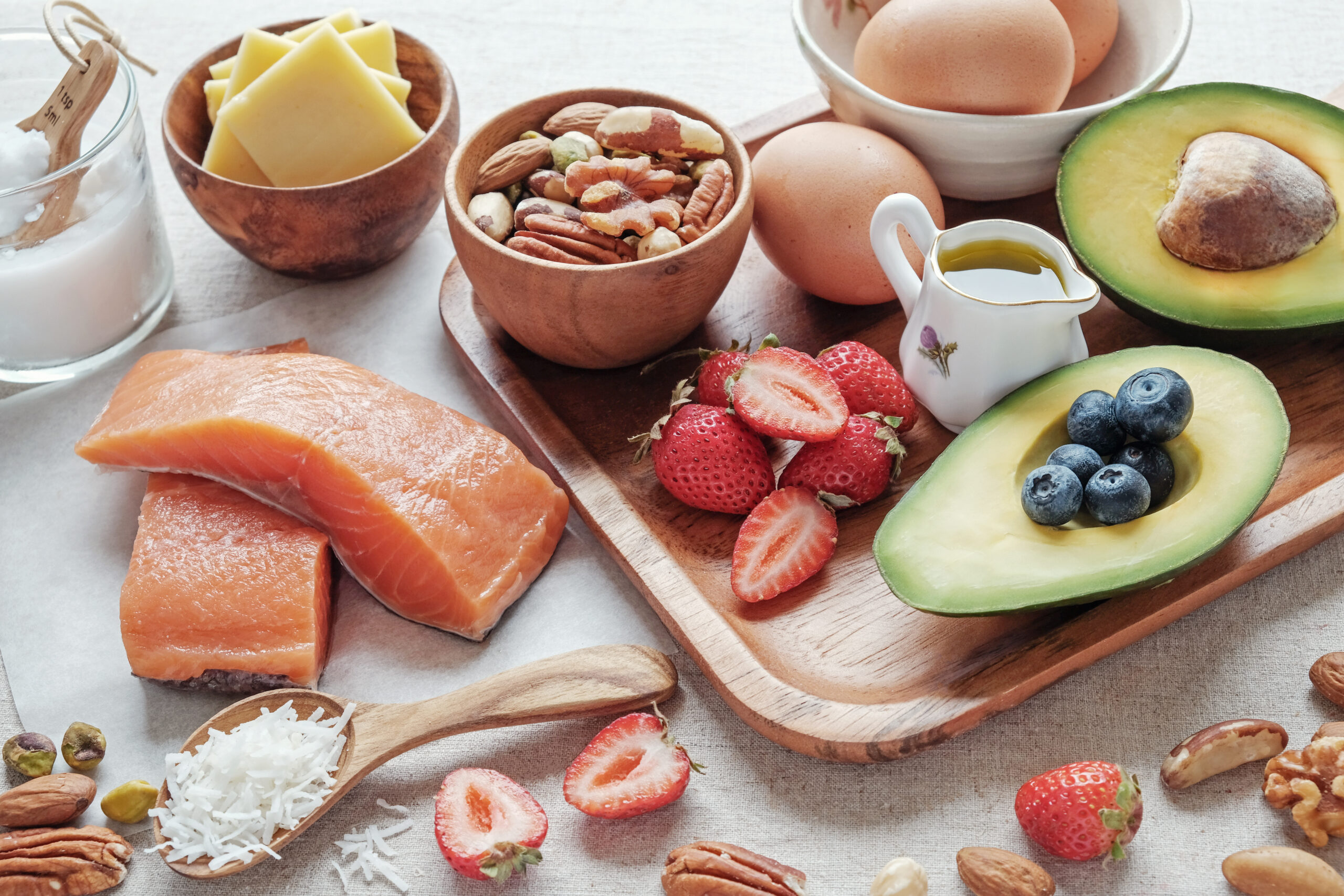
Protein helps you feel full, and it gives your body what it needs to keep and build muscle. When your appetite returns, a protein-first approach makes it much easier to stay satisfied without overeating.
- Include a palm-sized (or larger) portion of protein at every meal: eggs, Greek yogurt, fish, chicken, lean beef, tofu, beans or cottage cheese.
- Many dietitians aim for roughly 1.2 to 1.6 grams of protein per kilogram of body weight per day during and after weight loss. Your ideal target depends on your health, so confirm yours with your provider, especially if you have kidney concerns.
- Pair protein with fiber-rich vegetables, fruit and whole grains. Fiber adds volume and helps keep hunger steady.
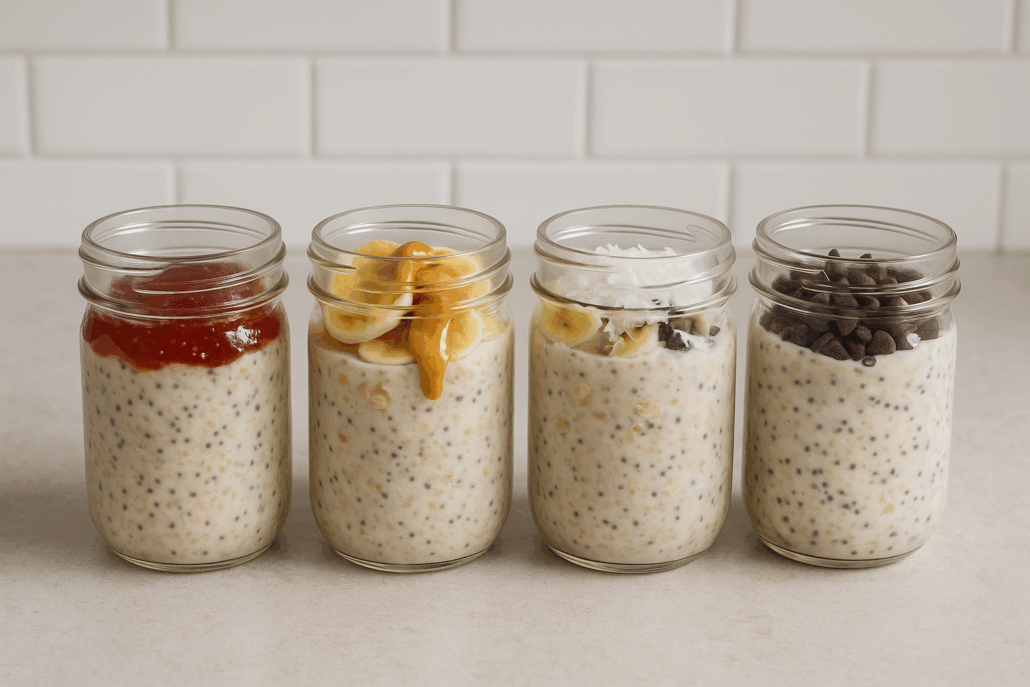
- Start strong at breakfast. Easy, make-ahead options like our high-protein overnight oats help you start the day full.
4. Expect Your Appetite to Return and Plan for It
Feeling hungrier after stopping is normal. It does not mean you are failing. It means the medication is no longer quieting your hunger signals, so your environment and routines need to do more of the work.
- Eat at regular times instead of grazing, and plan your meals ahead for the week.
- Keep high-protein, high-fiber snacks on hand for the moments hunger hits hardest.
- Slow down at meals. It takes time for fullness signals to catch up.
- Limit the foods you tend to overeat at home, and decide ahead of time how you will handle restaurants and social events.
5. Move Every Day, Not Just on Training Days
Your workouts matter, but so does everything you do the rest of the day. Walking, taking the stairs and staying active between sessions all add up, and daily movement is one of the habits most strongly linked to long-term weight maintenance.
Aim to build up to at least 150 minutes per week of moderate activity, such as brisk walking, on top of your strength training. If you are tracking steps, look at your current daily average and add to it gradually.

6. Track a Few Key Numbers
Regain usually happens slowly, a pound or two at a time, which makes it easy to miss until it adds up. A few simple check-ins help you catch it early, when it is easiest to correct.
- Weight: Weigh yourself a few times per week and watch the weekly average rather than any single day.
- Waist measurement: Check it once or twice a month.
- Strength: Log your lifts. Getting stronger is a great sign you are protecting muscle.
- Your action line: Decide in advance what you will do if your weekly average rises by a set amount, for example 3 to 5 pounds. That might mean tightening up your meal plan, adding activity or booking a check-in with your provider or coach.
7. Protect Your Sleep and Manage Stress
Short sleep and chronic stress both make hunger harder to manage and cravings stronger. Aim for seven or more hours of sleep, keep a consistent bedtime, and build in daily habits that help you decompress, such as a walk outside, breathing exercises or time away from screens.
8. Do Not Do It Alone
Accountability is one of the most underrated tools in weight maintenance. A coach, a training partner or a supportive community helps you stay consistent when motivation dips, and helps you adjust your plan when life changes. The advisory on nutrition and GLP-1 therapy from four leading obesity and nutrition organizations, published in 2025, noted that people who paired the medication with structured nutrition guidance were more likely to keep weight off after stopping.
Keep the Progress You Earned
At Fit Culture, this is exactly the gap we built our coaching to fill. The Metabolic Mastery Method includes a dedicated pathway for people using or coming off GLP-1 medications. It tracks your muscle mass with regular body composition testing and adjusts your protein and resistance training so you lose fat, not muscle, with weekly coaching calls and a private community to keep you accountable.
Prefer to work on your own? The Fit Culture app is coming soon, with custom meal plans, macro tracking, workout plans and progress tools. Join the waitlist to be first in line.