





GLP-1 medications like semaglutide (Wegovy, Ozempic) and tirzepatide (Zepbound, Mounjaro) turn down your appetite. Most people eat noticeably less, which is a big part of why the medications work. But eating less also raises the stakes on every bite. When your plate gets smaller, what goes on it matters more.
In this guide, we cover what to eat while taking a GLP-1, which foods to limit, how to eat to reduce side effects like nausea and constipation, and what a simple day of eating can look like. Our recommendations draw on a 2025 joint advisory on nutrition and GLP-1 therapy from four leading organizations: the American College of Lifestyle Medicine, the American Society for Nutrition, the Obesity Medicine Association and The Obesity Society.
Important: This article is for education only. Your prescriber, a registered dietitian or your care team should guide any changes to your diet, medications or supplements.
Why Does Food Quality Matter More on a GLP-1?
When you eat less food overall, three things can go wrong if you are not intentional about what you choose.
- You can lose muscle along with fat. Without enough protein and strength training, a meaningful share of the weight you lose can come from lean mass, which supports your strength, metabolism and long-term health.
- You can fall short on vitamins and minerals. The joint advisory notes that eating below roughly 1,200 calories per day for women or 1,800 for men makes it harder to get enough nutrients from food alone.
- Side effects can get worse. GLP-1 medications slow how quickly your stomach empties. Large, greasy or heavy meals are more likely to cause nausea, reflux and discomfort.
The goal is not to eat as little as possible. It is to make the food you do eat work as hard as possible for you.
What Should You Eat While Taking GLP-1 Medications?
Think of these as the building blocks of every meal and snack.
1. Make Protein the First Thing on Your Plate
Protein is the most important nutrient to prioritize on a GLP-1. It helps protect your muscle while you lose weight, and it keeps you satisfied.
- How much: The joint advisory suggests about 1.2 to 1.6 grams of protein per kilogram of body weight per day during active weight loss. A simpler target for many adults is 80 to 120 grams per day, spread across your meals. Your provider can help you set the right number for you, especially if you have kidney concerns.
- Eat it first. Because you fill up quickly, start each meal with your protein before moving on to the rest of your plate.
- Great options: eggs, Greek yogurt, cottage cheese, chicken, turkey, fish and seafood, lean beef, tofu, tempeh, edamame, beans and lentils.
- Pair it with strength training. Protein alone is not enough to protect muscle. The advisory recommends strength training at least three times per week along with at least 150 minutes of moderate activity.
2. Fill Up on Fiber-Rich Plants, Gradually
Vegetables, fruit, beans, lentils and whole grains deliver fiber, vitamins and minerals in a small amount of food. Fiber also helps prevent constipation, one of the most common GLP-1 side effects.
- Aim to fill about half your plate with vegetables at lunch and dinner.
- Choose whole fruit over juice.
- Increase fiber slowly over a few weeks, and drink more water as you do. Adding a lot at once can cause gas and bloating.
- If you feel very full or bloated right after a dose, keep high-fiber foods lighter for that day and build back up.
3. Choose Minimally Processed Carbs and Fats
You do not need to cut out carbohydrates or fat. Focus on quality and portion size.
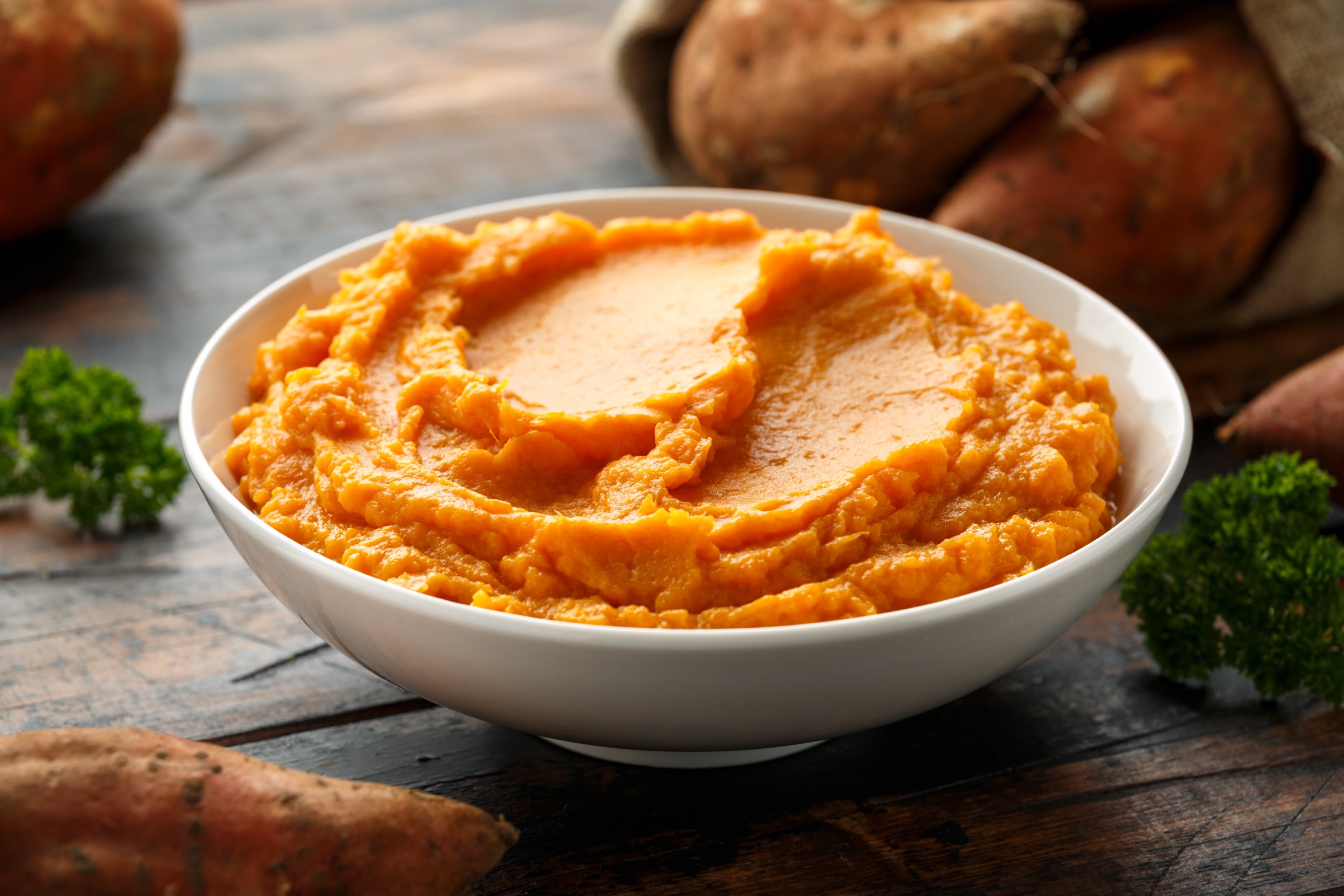
- Carbs: oats, quinoa, brown rice, potatoes, sweet potatoes, beans and whole-grain bread give you steady energy and fiber.
- Fats: olive oil, avocado, nuts, seeds and fatty fish are nutritious choices. Keep portions moderate, since high-fat meals digest slowly and can make nausea worse.

4. Stay Ahead on Fluids
When you eat less, you also take in less water from food. At the same time, nausea, vomiting or diarrhea can cause you to lose fluids, and the advisory warns that dehydration can lead to serious problems, including kidney injury.
- Sip water steadily throughout the day instead of drinking large amounts with meals.
- Set reminders if you tend to forget.
- Unsweetened ginger or peppermint tea may help settle nausea.
- If you struggle to eat enough protein on low-appetite days, a protein shake can help you meet your needs with less volume.
5. Close Your Nutrient Gaps
When you eat less, it is easier to miss key vitamins and minerals. The joint advisory lists iron, calcium, magnesium, zinc and vitamins A, B1, B12, C, D, E and K as nutrients to watch. It suggests talking with your provider about a multivitamin or targeted supplements such as vitamin D, calcium or B12, based on your needs and lab work.
What Foods Should You Limit on a GLP-1?
These foods are not off-limits forever, but they tend to make side effects worse or crowd out the nutrition you need.
- Fried, greasy and very high-fat foods like fried chicken, fries and heavy pizza, which sit in your stomach longer.
- Sugary drinks and sweets such as soda, juice, candy and desserts.
- Refined carbs and ultra-processed snacks like white bread, chips and packaged pastries.
- Alcohol, which the advisory notes can worsen nausea and reflux.
- Very spicy foods, if they trigger heartburn or nausea for you.
- Large meals of any kind. Even healthy food can cause discomfort when you eat too much at once.
How Should You Eat to Manage GLP-1 Side Effects?
How you eat matters almost as much as what you eat.
- Eat smaller meals more often. The advisory suggests a small breakfast and then small meals every three to four hours.
- Do not skip meals. Going too long without eating can make it harder to meet your protein needs and can worsen nausea when you finally eat.
- Slow down. According to Cleveland Clinic, it can take up to 30 minutes for your brain to register fullness. Put your fork down between bites and stop when you feel comfortably satisfied.
- Stay upright after eating. Avoid lying down for about 30 minutes after a meal to help with reflux.
- Eat lighter around dose increases. Side effects are often strongest when your dose goes up, so keep meals simple and low in fat during those days.
What Does a Day of Eating on a GLP-1 Look Like?
Here is a simple example. Adjust portions to your appetite, preferences and the guidance of your care team.
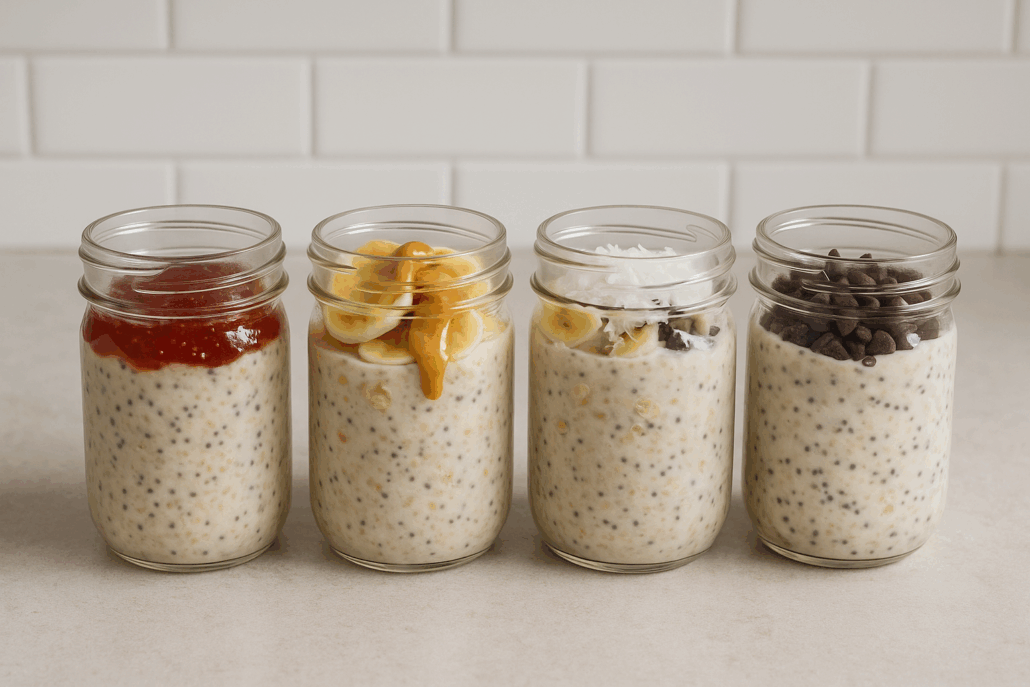
- Breakfast: Greek yogurt with berries and a spoonful of chia seeds, or our high-protein overnight oats.
- Lunch: Grilled chicken over a big salad with quinoa, chickpeas and an olive oil dressing.
- Snack: Cottage cheese with sliced fruit, a hard-boiled egg, or a protein shake.
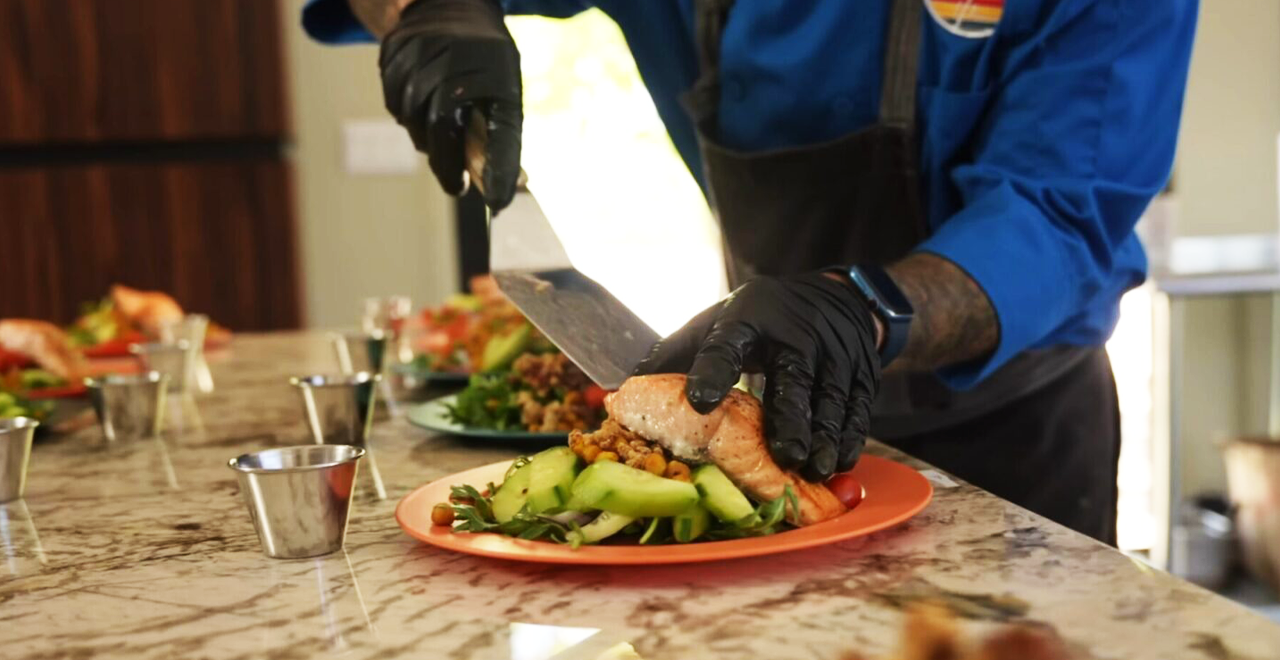
- Dinner: Baked salmon with roasted vegetables and a small sweet potato.
- Something sweet: A protein-rich treat like our high-protein cheesecake, in a small portion.
- All day: Water and unsweetened tea, sipped steadily.
Eating out? Our tips for eating out help you find protein-forward options at almost any restaurant. And when you are ready to plan for life after the medication, read our guide on how to maintain weight loss after stopping GLP-1 medications.
Make Every Bite Count
A GLP-1 can make eating less feel easier. Our job is to help you make sure what you eat builds the body you want. The Metabolic Mastery Method includes a dedicated pathway for people using GLP-1 medications. It tracks your muscle mass with regular body composition testing and adjusts your protein and strength training so you lose fat, not muscle, with weekly coaching calls and a private community for support.
Prefer to start on your own? The Fit Culture app is coming soon, with custom meal plans, macro tracking, shopping lists and hundreds of healthy recipes. Join the waitlist to be first in line.