
Achy joints after a tough week of training. Stiffness that hangs around longer than it used to. A general sense that your body is running a little hot. “Inflammation” has become the catch-all explanation, and store shelves are now packed with capsules and powders promising to cool it down.
Some of those products are backed by real research. Many are not. The ones below have the most credible evidence, and each comes with the safety notes and buying tips worth knowing before you spend money.
Read this first: Persistent pain, swelling or stiffness deserves a medical evaluation, not just a supplement. Talk with your healthcare provider before adding anything new, particularly if you take blood thinners or other prescriptions.
What Is Inflammation, and When Does It Become a Problem?
Inflammation is your immune system’s response to injury or infection. The swelling around a sprained ankle or the soreness after a hard workout is short-term, or acute, inflammation, and it is part of how your body heals.
The concern is chronic inflammation, which lingers even when there is no real threat. According to Harvard Health Publishing, this kind of ongoing inflammation has been linked with heart disease, diabetes, arthritis, depression, Alzheimer’s disease and some cancers. That is why reducing it is a smart long-term goal.
Should You Start With Food or Supplements?
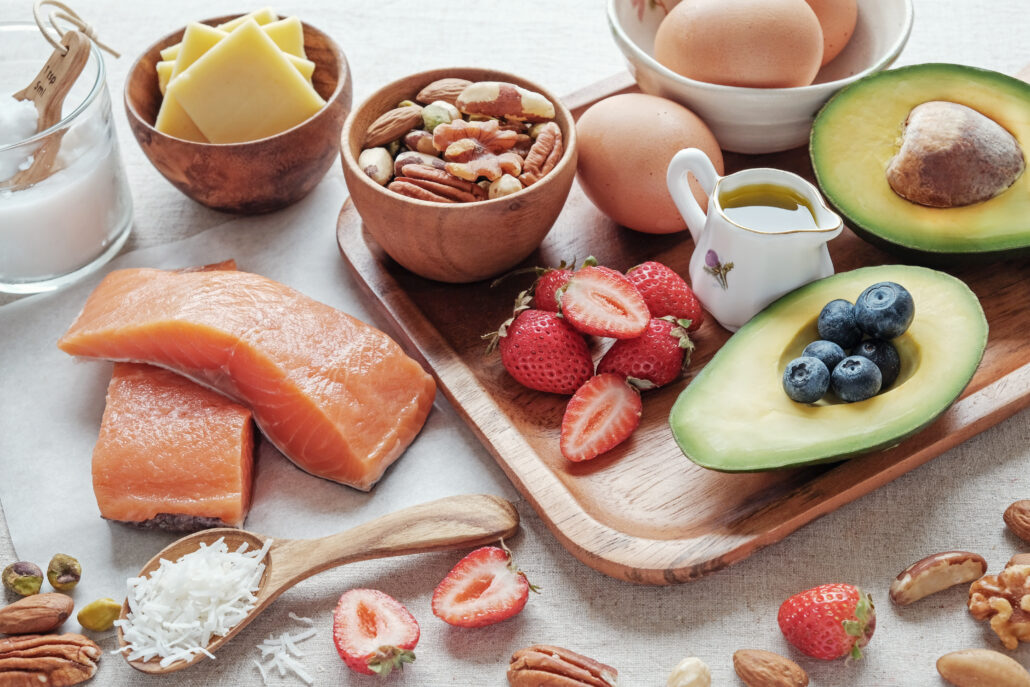
Start with food. Harvard experts point out that the overall eating pattern matters more than any single product, and they recommend a Mediterranean-style approach. Foods they highlight for fighting inflammation include:
- Fatty fish like salmon, mackerel and sardines
- Leafy greens such as spinach, kale and collards
- Tomatoes and olive oil
- Nuts, especially almonds and walnuts
- Berries, cherries, oranges and apples
- Coffee, which contains anti-inflammatory compounds
On the other side of the ledger, Harvard suggests limiting refined carbs, fried foods, sugary drinks, red and processed meats, and solid fats like margarine and shortening. A supplement can complement this foundation, but it cannot cancel out a diet that works against it.
Which Supplements Have the Best Evidence for Inflammation?
1. Omega-3 Fatty Acids (Fish Oil)
What the research says: According to the NIH Office of Dietary Supplements, some studies suggest omega-3 supplements taken alongside standard treatment may help people manage rheumatoid arthritis, and some participants needed less pain medication. It is less clear whether they reduce joint pain, swelling or morning stiffness on their own.
Food first: The American Heart Association recommends one to two servings of seafood per week, which is an easy way to get omega-3s without a pill.
Cautions: The FDA advises no more than 5 grams per day of combined EPA and DHA from supplements. High doses may increase bleeding risk in people taking warfarin or other blood thinners. Common side effects include fishy burps, heartburn and an upset stomach.
2. Vitamin D
What the research says: Vitamin D has some of the most compelling large-scale data. In the VITAL trial, a five-year study of nearly 26,000 adults in their 50s and older, those who took 2,000 IU of vitamin D3 daily had 22% fewer confirmed autoimmune disease diagnoses than those taking a placebo. Interestingly, the omega-3 group in the same trial did not see a significant drop on its own.
Good to know: The study only included older adults and tested a single dose, so the results may not apply to everyone. A simple blood test can show whether your vitamin D levels are low before you start supplementing.
3. Turmeric and Curcumin
What the research says: Turmeric, and its active compound curcumin, is one of the most popular anti-inflammatory supplements on the market. According to the National Center for Complementary and Integrative Health (NCCIH), early analyses suggest it may improve knee pain, stiffness and mobility, but higher-quality research is still needed, and there is not yet enough evidence to say it benefits any condition definitively.
Absorption tip: Curcumin on its own is poorly absorbed. Pairing it with piperine, a compound from black pepper, is one way manufacturers improve how much your body takes in.
Cautions: NCCIH notes that liver injury has been reported with some highly absorbable curcumin products. Stop taking it and call your provider if you notice fatigue, nausea, dark urine or yellowing skin or eyes. Turmeric supplements may also be unsafe during pregnancy.
4. Ginger
What the research says: Ginger is best known for easing nausea, but NCCIH reports that ginger supplements might also help with knee osteoarthritis symptoms, although much of that research is of poor quality. It is generally well tolerated, with occasional heartburn or stomach upset. Adding fresh ginger to stir-fries, smoothies and tea is an easy food-based option.
5. Tart Cherry
What the research says: Tart cherry is popular with athletes. In a small study of 20 marathon runners, those who drank tart cherry juice for five days before and two days after the race recovered their strength faster and showed reduced inflammation compared with a placebo group. It is a promising but limited finding, so think of tart cherry as a possible recovery aid rather than a treatment.
Where Should You Buy Anti-Inflammatory Supplements?
Because supplements are not approved by the FDA before they are sold, where and how you buy matters. These habits help you get what the label promises:
- Choose third-party certified products when possible. Independent certification programs audit manufacturing and check that labels match what is inside. The U.S. Anti-Doping Agency recommends NSF Certified for Sport for athletes and explains how to verify a product’s lot number through NSF’s app or website.
- Buy from reputable sellers. Purchase directly from the brand or from established pharmacies and retailers, and be wary of third-party marketplace listings with unusually low prices.
- Read the supplement facts panel. Check the dose, the form (for example, EPA and DHA amounts in fish oil) and any added ingredients.
- Skip miracle claims. Products promising to cure arthritis or erase pain overnight are a red flag.
- Ask your pharmacist. They can check for interactions with your current medications in a few minutes.

Shopping the Fit Culture Fuel Line
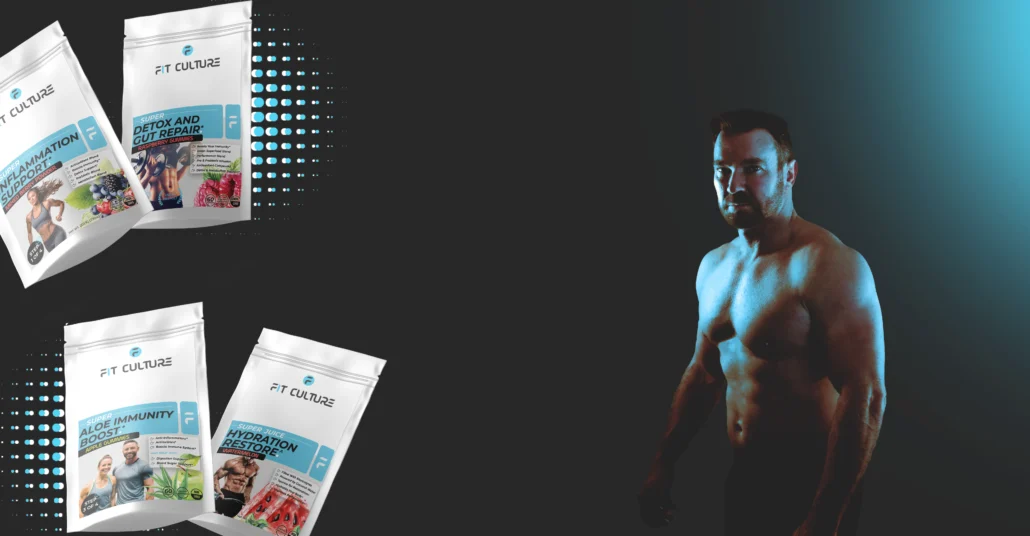
If you would rather use a daily blend than build a cabinet full of separate bottles, Eric Viskovicz created the Fit Culture Fuel line for exactly that reason. Several of the ingredients discussed above appear in it. The Super Power Recovery Blend lists turmeric and ginger alongside sea moss and green tea, and tart cherry and elderberry are among the ingredients used across the Fuel line.
As with any blend, check each product’s supplement facts for amounts, and remember that Fuel is designed as a daily wellness routine, not a treatment for any condition. You can shop the full lineup and check current availability at the Fit Culture shop. To learn how the four products work together, read What Is Fit Culture Fuel?
*These statements have not been evaluated by the Food and Drug Administration. These products are not intended to diagnose, treat, cure or prevent any disease.
Who Should Be Extra Careful With These Supplements?
Check with your provider before using anti-inflammatory supplements if you:
- Take blood thinners, diabetes medication or blood pressure medication
- Are pregnant, breastfeeding or trying to conceive
- Have liver or kidney disease
- Have surgery coming up
- Already take several other supplements, since effects and interactions can stack up
Habits That Calm Inflammation Without a Pill
Supplements work best on top of daily habits that keep inflammation in check. Regular exercise, a healthy body weight, enough sleep, not smoking and managing stress all play a role. Strength training and daily walking are a great place to start, and if you are new to the gym, our biomechanics guide will help you move well and avoid injury.
Fuel Your Body the Smart Way
The most effective approach to inflammation combines an anti-inflammatory diet, consistent movement, good sleep and a small number of well-chosen supplements. If you want help putting that plan together, The Metabolic Mastery Method offers personalized coaching on nutrition, training and recovery. When you are ready to add supplements, explore Fit Culture Fuel below.