
Walk into any gym and you will see shaker bottles, pre-workout tubs and recovery powders in every bag. The supplement aisle promises bigger lifts, faster recovery and less soreness, but very few of those products have the science to back their labels.
A handful of options do have strong research behind them. They are ranked below by the strength of that evidence, with doses, timing and a simple daily plan that will not drain your wallet.
Before you start: This article is for healthy adults and is educational only. If you have a medical condition, take prescription medication or are pregnant, run any new supplement past your doctor first.
What Should You Expect From a Workout Supplement?
Realistic expectations matter. When the International Olympic Committee brought together experts to review sports supplements, their consensus statement concluded that only a few, including caffeine, creatine, specific buffering agents and nitrate, have good evidence of improving performance. The panel also stressed that responses vary from person to person, that new products should be tested during training before a big event, and that some supplements carry a risk of contamination.
In other words, supplements can give you an edge, but only when your training, nutrition and sleep are already in place. Think of them as the last few percent, not the foundation.
Tier 1: Supplements With Strong Evidence
Protein
Protein is the raw material your muscles use to repair and grow after training. According to the International Society of Sports Nutrition (ISSN), a daily intake of roughly 1.4 to 2.0 g per kg of bodyweight suits most people who train regularly.
- Per serving: Aim for roughly 20 to 40 grams of high-quality protein at a time.
- Spacing: Spread it across the day, about every three to four hours.
- Before bed: The ISSN notes that 30 to 40 grams of casein protein at night may boost overnight muscle building.
- Food or powder: Whole foods can cover your needs, but a shake is a practical way to hit your target when life gets busy.
Looking for ideas? Eric shares the protein powder in his own shaker on our resources page, and recipes like our high-protein overnight oats make it easy to get a serving at breakfast.

Creatine Monohydrate
Creatine is one of the most researched supplements in sports nutrition. In its position stand on creatine, the ISSN calls creatine monohydrate the most effective nutritional supplement available for increasing high-intensity exercise capacity and lean mass during training. The same review found no compelling evidence of harm in healthy people, even with long-term use.
- Simple approach: Take 3 to 5 grams per day. It takes about three to four weeks for muscle stores to fill.
- Faster approach: Some people load with roughly 0.3 g per kg of bodyweight daily for five to seven days, then drop to 3 to 5 grams daily.
- Form: Plain creatine monohydrate is the most studied and usually the most affordable option.
Women over 50, take note: A 2021 meta-analysis in Nutrients of 10 trials with 211 older women found that creatine combined with resistance training improved upper-body strength. Programs lasting 24 weeks or longer improved both upper- and lower-body strength, although muscle mass did not change significantly. The authors rated the evidence as low certainty and called for more research, but the results are encouraging for women training through midlife and beyond.
Caffeine
That pre-workout coffee is doing real work. The ISSN’s caffeine position stand reports that moderate doses of 3 to 6 mg per kg of bodyweight consistently improve endurance performance by about 2% to 4%, with more mixed but generally supportive findings for strength and power.
- What that looks like: For a 150-pound (68 kg) person, 3 to 6 mg per kg works out to roughly 200 to 400 mg.
- Start low: Responses vary widely, so begin at the low end and see how you feel.
- Protect your sleep: Caffeine late in the day can disrupt sleep, which hurts recovery more than the caffeine helps your workout.
Tier 2: Helpful in the Right Situations
Electrolytes and Hydration
Fluids are not glamorous, but they affect every rep. The American College of Sports Medicine recommends preventing dehydration of more than 2% of body weight during exercise, building an individual fluid plan, adding sodium and other electrolytes to drinks during longer or sweatier sessions and rehydrating afterward. For most short workouts, water is enough. For long sessions, hot weather or heavy sweaters, an electrolyte drink makes more sense.
A quick way to check your sweat losses: weigh yourself before and after a typical workout. If you are consistently losing more than about 2% of your body weight, you need more fluid during training.
Nitrate and Buffering Agents
The IOC panel also listed dietary nitrate, found in beets and leafy greens, and certain buffering agents among the few supplements with good performance evidence. These tend to matter most for competitive athletes doing intense efforts or endurance events. If that is you, work with a sports dietitian to decide whether they are worth adding.
Tier 3: Proceed With Caution
Be skeptical of products that make big promises without clear evidence:
- Proprietary blends that hide how much of each ingredient you are getting
- “Test boosters” and extreme fat burners that promise dramatic body changes
- Stimulant-heavy pre-workouts that stack several caffeine sources together
- Anything marketed as a shortcut that replaces training, sleep or real food
Competitive athletes face an extra risk. The IOC panel warned that some supplements contain banned substances that are not listed on the label, so choose products tested through a third-party certification program if you compete.

Where Does Fit Culture Fuel Fit In?
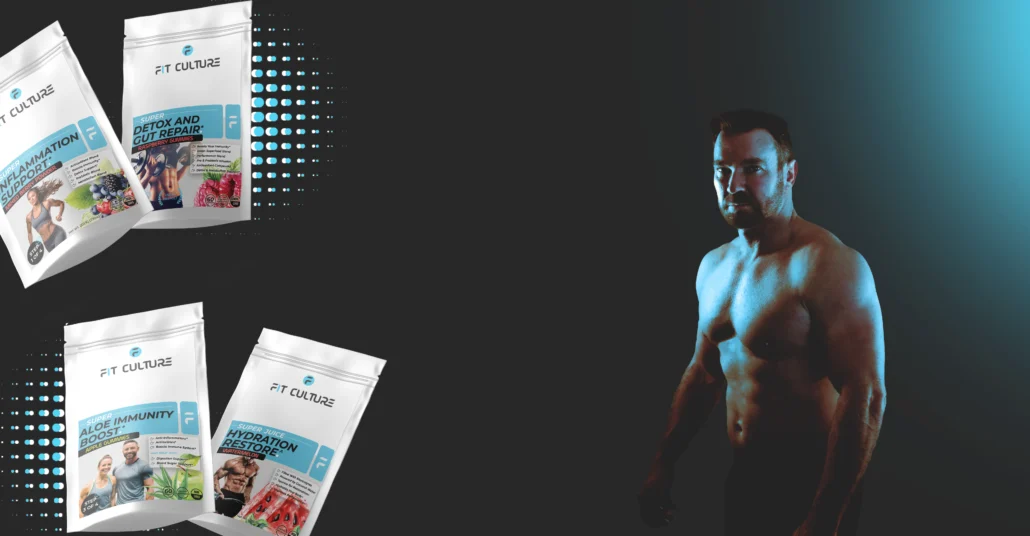
Eric Viskovicz created Fit Culture Fuel as a simple daily wellness routine for active people, not as a performance drug or a replacement for the evidence-based options above. Two of the four products are especially relevant to training days:
- Super Power Recovery Blend: A mixed berry superfood powder with ingredients such as sea moss, turmeric, ginger and green tea, designed to support everyday energy and recovery as part of an active lifestyle.
- Hydration Restore: A drink mix that blends coconut water powder with minerals and electrolytes, a handy option for long, sweaty training days.
Many people pair Fuel with a protein powder and creatine to cover their bases. For the full breakdown of the lineup, read What Is Fit Culture Fuel?
*These statements have not been evaluated by the Food and Drug Administration. These products are not intended to diagnose, treat, cure or prevent any disease.
A Simple Supplement Timeline for Training Days
- Every day: 3 to 5 grams of creatine at any time that is easy to remember, plus enough protein spread across your meals.
- Before training: Caffeine if you tolerate it well, timed so it does not interfere with sleep. Test timing during regular workouts first.
- During long or hot sessions: Water plus electrolytes.
- After training: A protein-rich meal or a 20 to 40 gram shake. The ISSN notes the muscle-building effect of exercise lasts at least 24 hours, so there is no need to panic about a narrow window.
- Before bed: Casein-rich foods like cottage cheese or Greek yogurt, or a casein shake.
Pair your routine with smart training. If you are building your program from scratch, our guide to biomechanics and injury prevention covers how to move safely under load.
Train Hard, Recover Smarter
The supplements that help most are often the simplest: protein, creatine, caffeine used wisely and the right hydration for your sessions. Build those on a foundation of consistent training, real food and quality sleep, and your results will follow. When you are ready, explore the Fit Culture Fuel lineup for daily support, or work with our coaches through The Metabolic Mastery Method to build a complete plan.