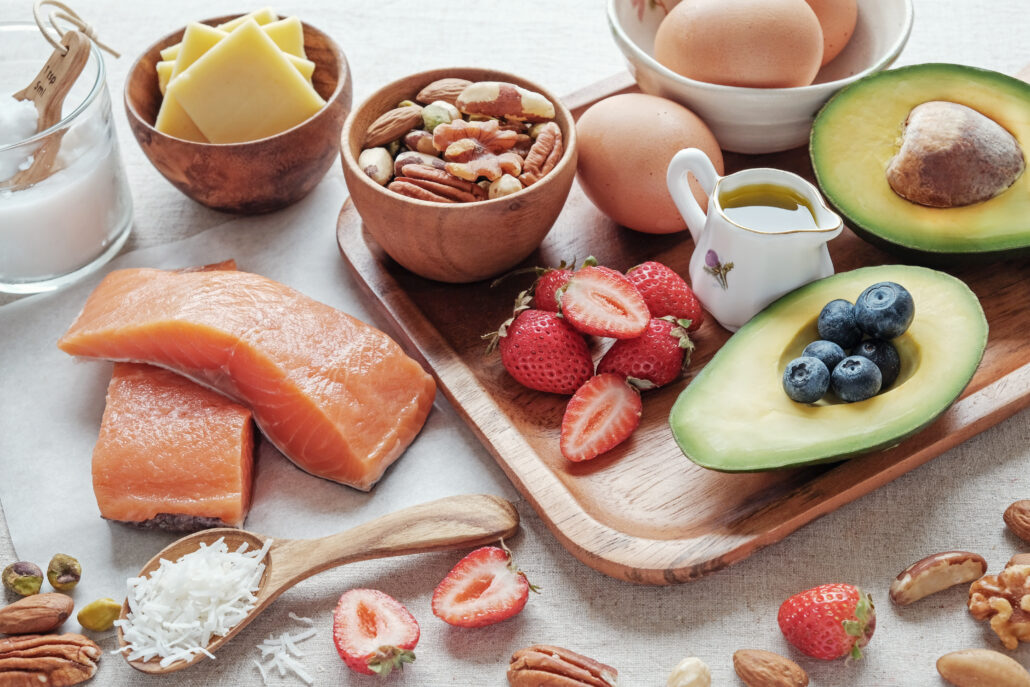
Keto, intermittent fasting, plant-based, low-fat, Mediterranean: if you have searched for the best diet for menopause weight loss, you have probably found a dozen confident answers that contradict each other. It is enough to make anyone want to give up and grab a snack.
We tell our clients the same thing every time: there is no magic menopause diet. There is, however, good research on which eating patterns help women in midlife lose weight, protect their health and feel better day to day, and it points in a fairly consistent direction.
Good to know: Nutrition needs are personal. Run any major diet change past your doctor or a registered dietitian, especially if you manage a health condition or take medication.
What Should a Menopause Diet Actually Do?
Before comparing diets, it helps to know what you are asking your food to accomplish. During and after menopause, the right eating pattern should:
- Create a gentle calorie deficit so you lose fat without feeling deprived.
- Protect muscle and bone, both of which become more vulnerable as estrogen falls.
- Keep you full and energized, so cravings and afternoon crashes do not derail you.
- Support your heart, since cardiovascular risk rises after menopause.
- Ease symptoms where possible, because better sleep and fewer hot flashes make every other habit easier.
Any diet that checks most of those boxes, and that you can see yourself following a year from now, is a strong candidate.
How Do Popular Diets Compare for Menopause?
The Mediterranean Diet
Built around vegetables, fruit, whole grains, beans, olive oil, nuts and fish, the Mediterranean pattern is one of the most studied eating styles in the world. For menopause specifically, there is an interesting bonus. In a study of Australian women published in The American Journal of Clinical Nutrition, those who ate a Mediterranean-style diet were 20% less likely to report hot flashes and night sweats, while women whose diets were high in sugar and fat were 23% more likely to have them.
Our take: Flexible, satisfying and heart-friendly. A great foundation for most women.
A Lower-Fat, Whole-Food Diet
The largest diet trial ever run in postmenopausal women offers reassuring data here. In the Women’s Health Initiative Dietary Modification Trial, nearly 49,000 women ages 50 to 79 were assigned to either their usual diet or a pattern that cut fat and added more fruit, vegetables and whole grains. The lower-fat group lost weight in the first year and, on average, never climbed back above their starting weight over about seven and a half years, even though they were not told to cut calories.
Our take: Proof that simply eating more plants and whole grains can help prevent midlife weight creep. Just be sure to keep enough protein in the mix.
A Plant-Forward Diet With Soy
Plant-based eating has gained attention for menopause symptoms. In the WAVS trial, published in the journal Menopause, postmenopausal women who followed a low-fat vegan diet with half a cup of cooked soybeans each day for 12 weeks saw moderate to severe hot flashes drop by 84%. The study was small and run by a plant-based advocacy organization, so it needs confirmation, but it suggests that adding soy foods like edamame, tofu and tempeh may be worth trying.
Our take: You do not need to go fully vegan to benefit. Swapping in a few soy-based or bean-based meals each week is an easy experiment.
Low-Carb Diets
Cutting carbs works for some people, often because it removes many processed snack foods. But when Stanford researchers compared the two approaches head to head in the DIETFITS trial, more than 600 adults following a healthy low-carb diet or a healthy low-fat diet lost about the same amount of weight over a year: roughly 6 kg versus 5.3 kg, with no meaningful difference. What both groups had in common was an emphasis on whole, minimally processed foods.
Our take: Fine if you enjoy it and can keep it up, but not superior. Very restrictive versions can also make it harder to get enough fiber.
So, What Is the Best Diet for Menopause Weight Loss?
The research points to a clear answer: the best diet is a whole-food eating pattern you can stick with, built on plenty of plants and enough protein. For most women, that looks a lot like a Mediterranean-style diet with a stronger focus on protein at every meal.
The specific label matters far less than the quality of the food and your ability to follow it consistently. If you love bread and pasta, a strict low-carb plan will probably fail. If you dislike tofu, forcing a vegan diet will not last. Choose the version of healthy eating that feels sustainable to you.
Your Menopause Nutrition Checklist
Whichever approach you choose, these priorities matter more after menopause.
Make Protein a Priority
Protein helps preserve the muscle that keeps your metabolism and mobility strong. In a Women’s Health Initiative study of more than 24,000 women ages 65 to 79, those who ate a higher share of their calories from protein had a lower risk of becoming frail over three years. Include a protein source at every meal and snack, such as fish, chicken, eggs, Greek yogurt, cottage cheese, beans, lentils or tofu.
Get Enough Calcium
Bone loss speeds up after menopause. According to the National Institutes of Health, women 51 and older need 1,200 mg of calcium per day. Dairy, canned salmon or sardines with bones, kale, broccoli, bok choy and calcium-fortified foods all help. Ask your provider whether you also need a vitamin D check.
Fill Up on Fiber
Vegetables, fruit, beans and whole grains add volume for very few calories, which helps you feel satisfied while eating less. They also support digestion and heart health.
Cut Back on Added Sugar and Refined Grains
Sweets, sugary drinks, white bread and packaged snacks are easy to overeat and leave you hungry again soon after. Keep them as occasional treats rather than daily staples.
Be Honest About Alcohol
Wine with dinner can quietly add hundreds of calories a week, and many women find alcohol worsens hot flashes and disrupts sleep. Consider saving it for special occasions.
What Does a Menopause Weight Loss Diet Look Like in Real Life?
Healthy eating does not have to be bland. A few meals from the Fit Culture kitchen that fit the checklist above:
- Breakfast: High-protein overnight oats with berries, or veggie scrambled eggs with whole-grain toast.
- Lunch: A big salad with salmon, chickpeas, olive oil and lemon, or a bowl of Sarah’s creamy chicken and wild rice soup.
- Snack: Greek yogurt with walnuts, edamame, or one of our protein pumpkin muffins.
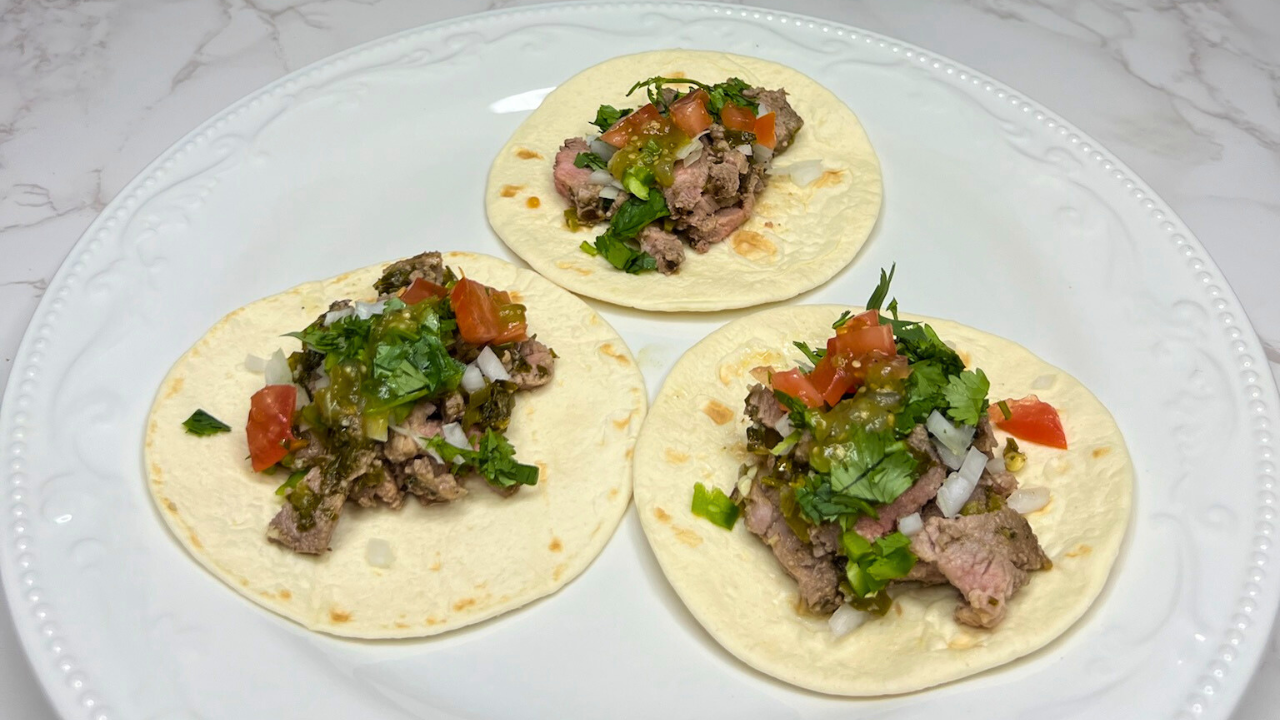
- Dinner: A carne asada taco bar loaded with veggies and salsa, or tofu and vegetable stir-fry over brown rice.
- Dessert: Fresh fruit, or a small slice of our high-protein cheesecake.
Dining out this week? Use our tips for eating out to stay on track without skipping the fun.

Eat for the Body You Have Now
The right diet for menopause is the one built around your goals, your symptoms, your schedule and the foods you actually enjoy. Inside The Metabolic Mastery Method, our menopause track begins by assessing your metabolism and habits. Your coach then shapes a nutrition and training plan around what you learn, and you check in every week with ongoing support from a private community of women on the same path.
Want meal plans in your pocket? Our upcoming Fit Culture app will include custom meal plans, shopping lists, hundreds of recipes and macro tracking. Join the waitlist to be first to know.