
It is 2:30 in the afternoon, your focus is fading and the next meeting feels a mile away. You could grab another energy drink, or you could look for something more natural that keeps you going without the crash. So which natural energy supplement actually delivers?
The real answer is that the best natural energy supplement depends on why you feel tired. A capsule cannot fix five hours of sleep, and no herb will outwork a vitamin deficiency. Below, we break down the most common causes of low energy, then look at the natural options with real research behind them, the ones with mixed results and the safety points to know before you buy anything.
A quick note on safety: Fatigue that lasts for weeks, or that comes with dizziness, shortness of breath or unexplained weight changes, should be checked by a doctor. This article is educational and is not a substitute for personal medical advice.
Why Do You Feel Tired in the First Place?
Before buying a bottle of anything, take an honest look at the basics. The most common energy drains are surprisingly simple:
- Short sleep: A CDC report on 2024 data found that about 30% of U.S. adults average fewer than the recommended seven hours a night, and only a little over half wake up feeling well rested on most days (Scientific American).
- Under-fueling: Skipping breakfast or eating too little protein leaves your blood sugar riding a roller coaster through the day.
- Mild dehydration: Many people mistake thirst for tiredness, especially after a sweaty workout or a long flight.
- Overtraining: Piling on workouts without enough recovery leaves you drained instead of stronger. Our article on fitness fatigue explains how to spot it.
- A nutrient shortfall: Low iron or vitamin B12 can cause real, physical fatigue, and both are more common than most people think.
If one of these sounds familiar, fixing it will likely do more for your energy than any supplement. That said, a few natural options can help on top of solid habits.
The Natural Energy Supplements With the Best Evidence
1. Caffeine From Coffee or Tea
Caffeine is the most widely studied natural stimulant in the world. It occurs naturally in coffee beans, tea leaves, cacao and guarana, and it reliably makes people feel more alert.
The key is the dose. According to the Mayo Clinic, the FDA considers up to 400 mg of caffeine a day safe for most healthy adults, which is roughly the amount in four cups of brewed coffee. Going past your personal limit can bring headaches, insomnia, irritability, a rapid heartbeat and an upset stomach. Concentrated caffeine powders and liquids are a different story and can be dangerous, so skip them entirely.
- Best for: Short-term alertness and focus.
- Smart use: Keep it to the morning and early afternoon so it does not cut into your sleep.
- Watch out: If you rely on several cups just to feel normal, that is a sign to look at your sleep instead.
2. L-Theanine Paired With Caffeine (Green Tea and Matcha)
L-theanine is an amino acid found naturally in tea. People often describe the combination of tea’s caffeine and L-theanine as a calmer, steadier lift than coffee alone.
There is some research to support that. In a 2010 study in Nutritional Neuroscience, adults who drank a tea-based beverage with 97 mg of L-theanine and 40 mg of caffeine performed better on an attention-switching task and reported feeling more alert and less tired than when they had a placebo drink. The study was small, and the researchers noted they could not fully separate the effect of each ingredient, but it helps explain why so many people prefer green tea or matcha for an afternoon pick-me-up.

3. Vitamin B12 (Only If You Are Low)
B12 is one of the most heavily marketed “energy” vitamins on the shelf. The NIH Office of Dietary Supplements is clear on this point: B12 does not provide an energy boost for people who already get enough from their diet.
Where it matters is deficiency, which can cause tiredness, weakness and a type of anemia. You may be at higher risk if you:
- Are over 50, since many older adults make less of the stomach acid needed to absorb B12 from food
- Follow a vegetarian or vegan diet
- Take metformin or acid-reducing medications
- Have had stomach or intestinal surgery, or have a condition like celiac or Crohn’s disease
Adults need just 2.4 mcg per day. If you fit one of the groups above and feel run down, ask your doctor for a blood test rather than guessing.
4. Iron (Only After Testing)
Iron carries oxygen through your blood, so when stores run low, fatigue and weakness are among the most common symptoms. The Office on Women’s Health notes that iron-deficiency anemia affects more women than men, with heavy periods and pregnancy among the biggest risk factors. Dizziness, headaches, pale skin and shortness of breath can show up too.
Here is the catch: iron is not a supplement to take on a hunch. Too much can cause stomach problems and, over time, build up to harmful levels. A simple blood test tells you whether you need it and how much.
Natural Energy Supplements With Mixed Evidence
Herbal “adaptogens” are everywhere in the wellness aisle, often sold as natural ways to fight fatigue and stress. The research on them is less convincing than the marketing suggests.
Rhodiola Rosea
Rhodiola is a root traditionally used for stamina. A 2012 systematic review in BMC Complementary and Alternative Medicine looked at 11 studies on physical and mental fatigue and described the research as contradictory. Some trials hinted at benefits, but nearly all had a high or unclear risk of bias, so the authors called for better studies before drawing conclusions.
Ginseng
Ginseng has been studied for fatigue for decades, and some of the more encouraging results come from people with fatigue linked to illness. Different types of ginseng contain different active compounds, so a finding for one product may not apply to another. Results in healthy, busy adults are far less certain, so check with your provider before adding it, especially if you take any prescriptions.
Ashwagandha
Ashwagandha is popular for stress and sleep, which can indirectly affect energy. It also comes with an important safety note. The NIH’s LiverTox database describes rare but growing reports of liver injury in people taking ashwagandha products since 2017, typically appearing 2 to 12 weeks after starting. Most cases resolved after stopping, but people with liver disease should avoid it entirely.
Bottom line on adaptogens: They are not proven energy boosters. If you want to try one, choose a third-party tested product, talk with your provider first and stop immediately if you notice nausea, dark urine or yellowing of your skin or eyes.
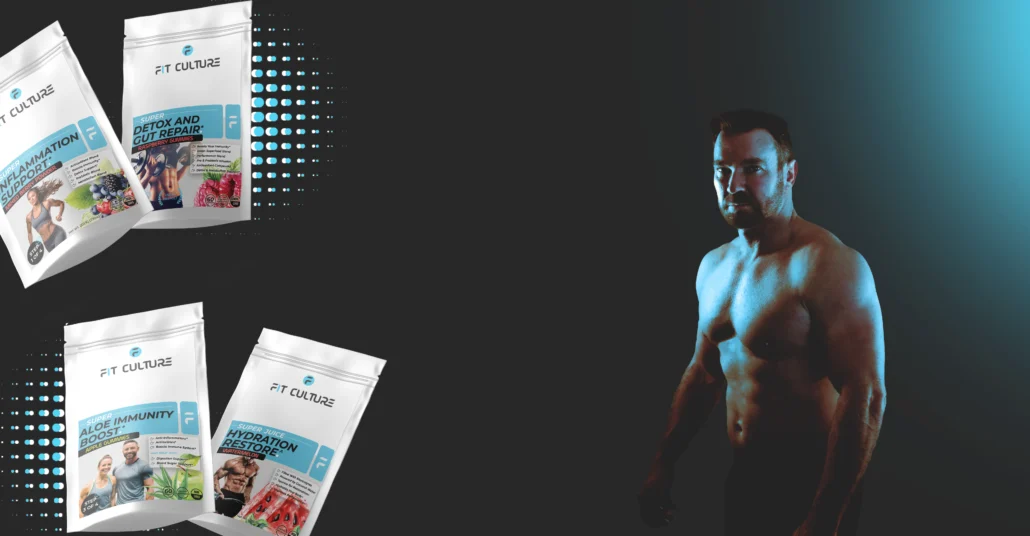
How Fit Culture Fuel Supports Everyday Energy
Eric Viskovicz designed the Fit Culture Fuel system to keep daily wellness simple, without a cabinet full of stimulants. Two products tie directly into how you feel during the day:
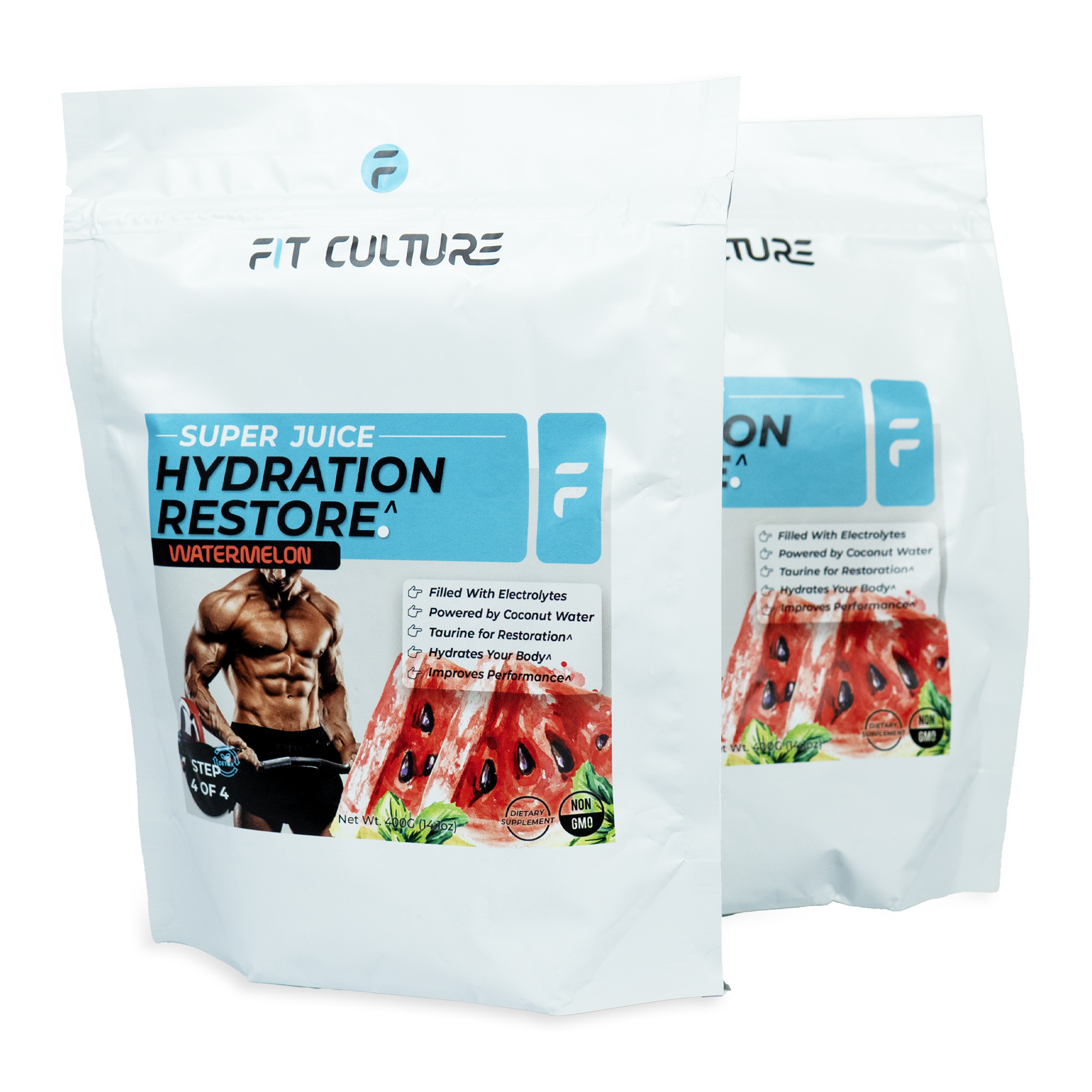
- Hydration Restore: Because a little dehydration can feel a lot like fatigue, this watermelon electrolyte mix with coconut water powder is meant to help you keep both your hydration and your energy up on demanding days.
- Super Power Recovery Blend: A berry-flavored superfood powder that includes green tea, ginger, turmeric and sea moss, positioned as a daily way to support energy and recovery for people who stay active.
Neither product is a stimulant replacement or a fix for a medical cause of fatigue. Think of them as part of a daily routine built on sleep, food and movement. You can learn how the whole system fits together in What Is Fit Culture Fuel?
Free Energy Boosters That Beat Most Supplements
Some of the most effective ways to feel more energized cost nothing:
- Protect a consistent bedtime. Aim for at least seven hours, and keep the same wake time on weekends.
- Eat protein at breakfast. A make-ahead option like our protein pumpkin muffins keeps you full and steady through the morning.
- Drink water before you reach for caffeine. A tall glass first thing can make a noticeable difference.
- Move during the slump. A brisk 10-minute walk often beats a second coffee.
- Get daylight early. Morning light helps set your internal clock for better sleep that night.
- Train smart, then recover. Regular strength work builds energy over time, as long as rest days stay on the calendar.
Find Your Natural Energy
The most effective natural energy supplement is usually the one that fills a real gap, whether that means caffeine from coffee or tea, B12 or iron after a blood test, or simply more water. Start with sleep, food and movement, then add only what earns its place. If you want a coach to help you build the whole plan, explore The Metabolic Mastery Method, and when you are ready to add daily support, browse the Fit Culture Fuel lineup below.