
Your jeans feel tighter at the waist, the number on the scale keeps creeping up, and you have not changed a thing. Sound familiar? Weight gain is one of the most frustrating parts of the menopause years, and it often shows up without warning.
There is rarely a single cause. Menopause, aging, sleep, mood, genetics and everyday habits all overlap in your late 40s and 50s, and together they tip the balance toward gaining. That sounds discouraging, but it also means you have more than one thing you can change.
A quick note: We share this information to educate, not to diagnose or treat. Speak with your healthcare provider about your symptoms and any treatment you are considering.
Is It Menopause or Is It Age?
It is both, and researchers are still sorting out how much each one contributes. According to Mayo Clinic specialists, women in midlife may gain up to 0.7 kg (about 1.5 pounds) per year, and much of that gain is linked to aging itself: gradually losing lean tissue and moving less, which lowers the number of calories the body uses each day.
Where menopause plays a clear role is in where the weight goes. The same Mayo Clinic experts note that menopause shifts fat toward the center of the body and increases visceral fat, the deeper fat that surrounds your organs, even after accounting for age and activity. A 2020 scientific statement from the American Heart Association reached a similar conclusion and linked this shift in body shape to higher heart disease risk, even in women whose weight stays in a normal range.
So if you feel like your body is changing shape more than it is changing size, you are reading the signs correctly.
What Is Causing Your Menopause Weight Gain?
Falling Estrogen Changes Where You Store Fat
Before menopause, many women tend to store more fat on the hips and thighs. As estrogen declines, storage moves to the abdomen. That is why waistlines often expand first, and why belly fat can feel stubborn even when the rest of your body is not changing much.
You Are Carrying Less Muscle
Muscle is active tissue that burns energy around the clock. Hormonal changes and aging both chip away at it, and fewer muscle fibers means a lower daily calorie burn. If your eating habits stay the same while your muscle quietly declines, the extra energy has to go somewhere.

Your Nights Are Shorter and Lighter
Sleep changes are one of the most underestimated drivers of midlife weight gain. A CDC report on women ages 40 to 59 found that 56% of perimenopausal women averaged less than seven hours of sleep, and more than a third of postmenopausal women had trouble staying asleep four or more nights a week. Tired bodies crave quick energy, skip workouts and make harder food decisions late in the day.
Symptoms Get in the Way of Your Routine
Hot flashes, achy joints, brain fog and mood swings do not just feel uncomfortable. They make it harder to stick with the habits that once kept your weight steady. Mayo Clinic specialists point out that these symptoms can themselves promote weight gain, and that treating them often makes a weight management plan easier to follow. Interestingly, they also note that hot flashes tend to be worse in women carrying extra weight, and that losing weight can improve them.
Your Activity Has Quietly Dropped
Between work, family and fatigue, daily movement often slips in midlife without you noticing. The American Heart Association statement highlighted just how common this is: only about 7% of perimenopausal women in the research it reviewed met recommended activity levels, and fewer than 20% maintained healthy eating patterns. You are far from alone if this sounds like you.
Your Genes Play a Part
According to Mayo Clinic, if your mother or other close relatives carried extra weight around the middle as they got older, you may be more likely to as well. Genetics is not destiny, but it can explain why two women with similar habits gain very differently.
Your Old Routine No Longer Matches Your Body
The workouts and portions that kept your weight steady at 35 were designed for a body with more muscle, more estrogen and often more daily movement. When your body changes and your routine does not, a slow upward drift is the predictable result.
Why Belly Fat Deserves Your Attention
Extra visceral fat is about more than appearance. The American Heart Association statement notes that cardiovascular risk appears to climb faster during the menopause transition, and that LDL cholesterol often rises at the same time. That is why paying attention to your waist now is one of the best investments you can make in your long-term health.
A quick way to keep tabs on it at home: measure around your waist at the level of your belly button once a month, at the same time of day. A shrinking number usually means you are losing the fat that matters most, even if the scale is slow to respond.
How Can You Stop Gaining Weight During Menopause?
The good news from the American Heart Association statement is that lifestyle changes made during the menopause transition may help prevent weight gain and improve blood pressure, blood sugar and cholesterol. Mayo Clinic recommends a minimum of 150 weekly minutes of moderate aerobic exercise, such as brisk walking, plus strength training on two or more days. This is how we put that into practice.
Train for Strength First
Rebuilding muscle is the most direct way to counter a slowing daily calorie burn. Plan two or three full-body sessions a week built around squats, hinges, pushes and pulls. Choose weights that feel challenging by the last few reps, and track your lifts so you can see yourself getting stronger. If you are just starting out, our guide to basic biomechanics and injury prevention covers the movement fundamentals.
Fill Your Plate With Fiber and Protein
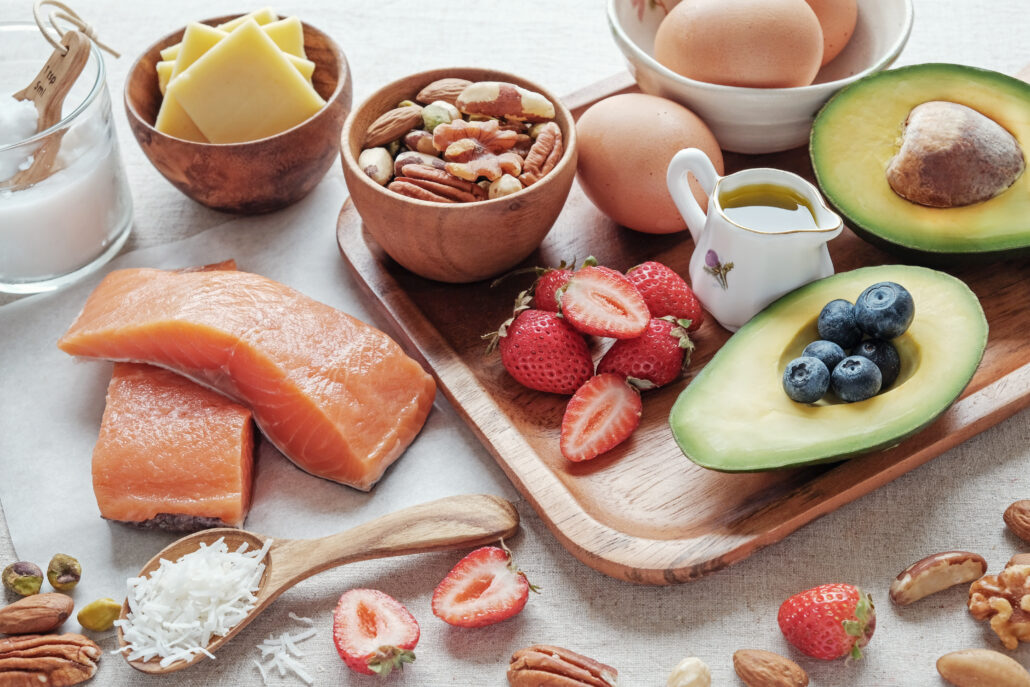
Whole grains, fruit, vegetables and beans are filling and help keep blood sugar steady. Pair them with a solid serving of protein, such as eggs, fish, poultry, Greek yogurt or tofu, so each meal keeps you full for hours. Cut back on sugary drinks, sweets and alcohol, which Mayo Clinic specifically recommends limiting. Need an easy morning win? Try our high-protein overnight oats.
Rebuild Your Daily Movement
Look for ways to add movement back into ordinary days: a walk after dinner, standing calls, parking farther away or a short stretch break every hour. These small bouts add up, and they are often easier to sustain than another workout.
Make Sleep a Priority, Not an Afterthought
Set a regular bedtime, keep your bedroom cool, wear breathable sleepwear and wind down without screens. If night sweats or insomnia are stealing your sleep, bring it up with your provider. Better rest makes every other change easier.
Treat the Symptoms, Not Just the Scale
Because hot flashes, mood changes and poor sleep can all drive weight gain, getting them under control is part of your weight plan. Mayo Clinic specialists describe menopausal hormone therapy as the most effective treatment for hot flashes. They also note that it does not directly change weight, though it can shift fat away from the belly. Other treatment options exist too, so it is worth an honest conversation with your provider.
Give Stress an Outlet
Midlife stress is real, and it often shows up as late-night snacking or skipped workouts. Short daily resets help: a few minutes of slow breathing, a walk outside or a call with a friend. For a deeper look at how stress affects your results, read Eric’s post Is Stress the Reason You Can’t Lose Weight?

Get Expert Support
Mayo Clinic specialists highlight the value of support for identifying barriers, tracking habits and problem-solving when things get hard. A coach who understands menopause can help you adjust your plan as your body and symptoms change, so you are not left guessing.
Take Back Control of Your Midlife Health
Menopause weight gain is common, but it is not something you simply have to accept. The Metabolic Mastery Method offers a menopause pathway designed around the changes covered in this article. You start with metabolic and behavioral assessments, then follow a personalized plan for strength, nutrition, sleep and stress, supported by weekly coaching calls and a private community.